
Reasonable Accommodation: Know, Understand and Defend Your Rights in Postsecondary Education in Québec
- Equality, Equity and Inclusion: What Is the Difference?
- Reasonable Accommodation: A Tool for Equity
- How Can I Access Accommodations at My Institution?
Equality, Equity and Inclusion: What Is the Difference?
In postsecondary education, the terms equality, equity and inclusion are used frequently. They appear in institutional policies and regulations, course outlines, and even posters in hallways. Because the terms seem similar, they can be misunderstood or used without enough context. Yet they refer to distinct concepts and approaches to teaching and learning.
Understanding these differences is essential to creating genuinely accessible learning environments.
Did you know? These three terms are not interchangeable.
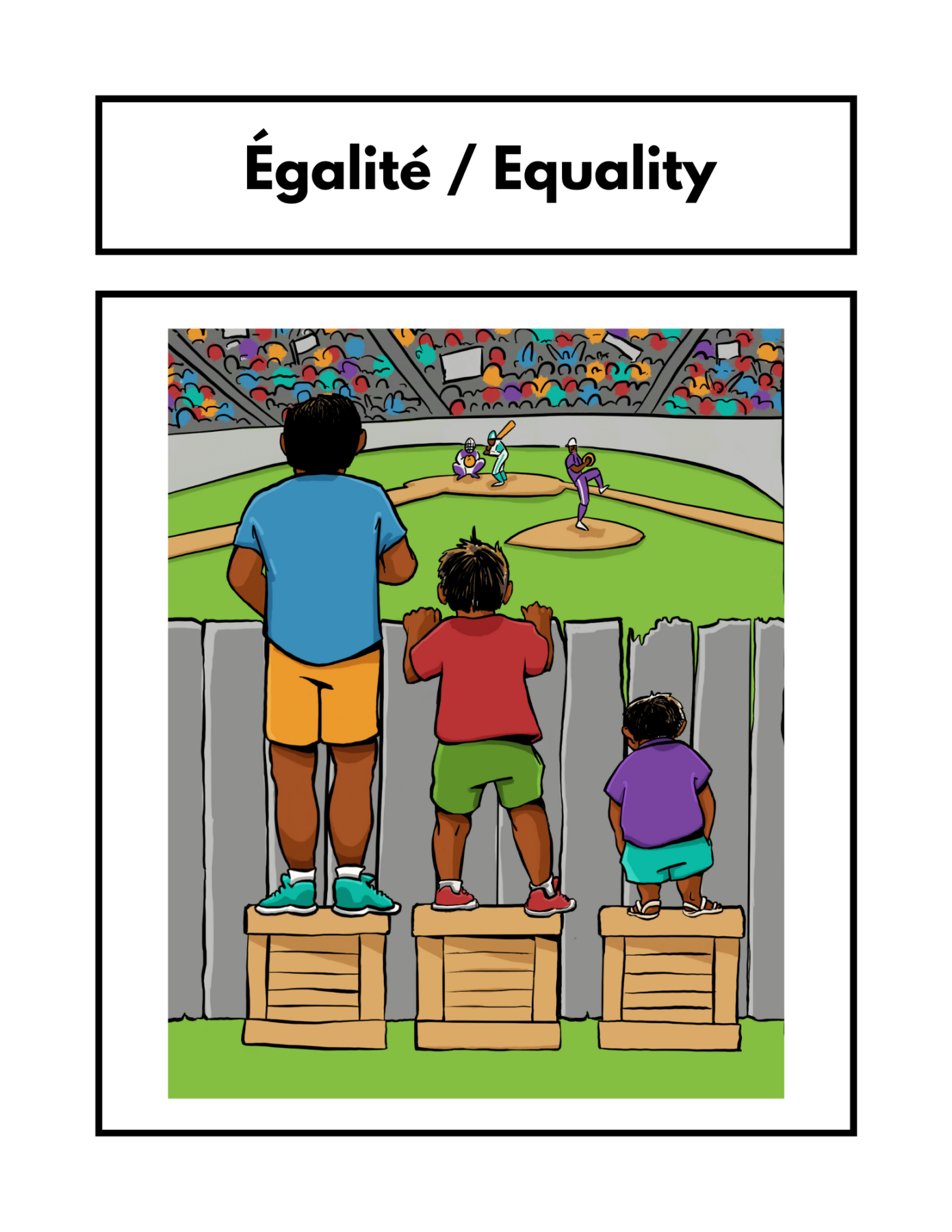
The right to equality ensures that everyone has access to the same rights and public services (education, employment, transportation and housing), without discrimination.
Example in postsecondary education: Giving every student the same three-hour exam, in the same room, at the same time.
Important: Applying the same rule to people with different circumstances and abilities can result in indirect discrimination. An apparently neutral rule may unfairly disadvantage some students with disabilities.
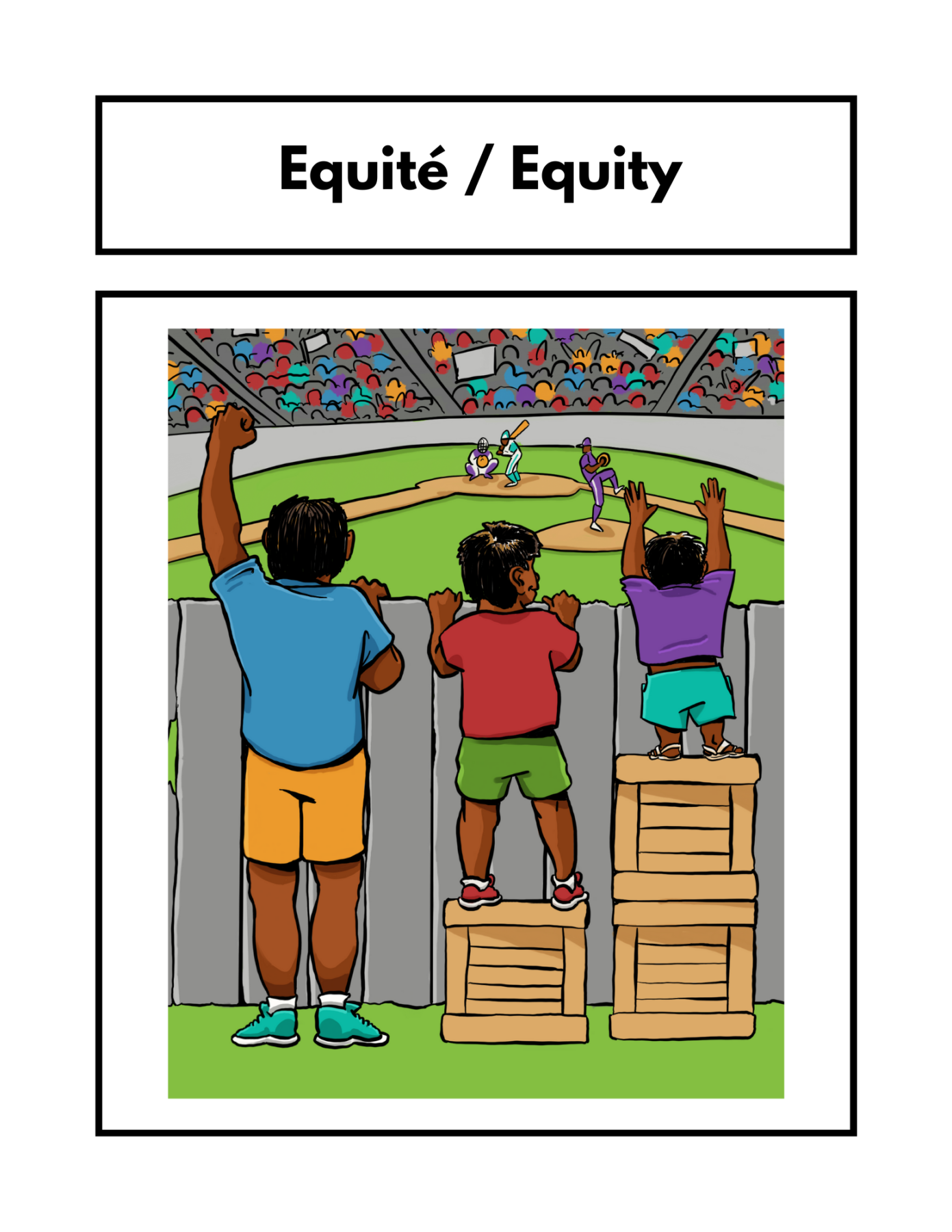
Equity involves making individualized adjustments to address the barriers people face and improve access.
Example in postsecondary education: Providing reasonable accommodations, such as extra time on exams, text-to-speech software or a separate exam room.
Important: Accommodations are assessed individually. A particular measure may be declined if it would cause undue hardship for the institution; alternatives should be considered. Accommodations should remove barriers while preserving essential program requirements and the competencies being assessed.
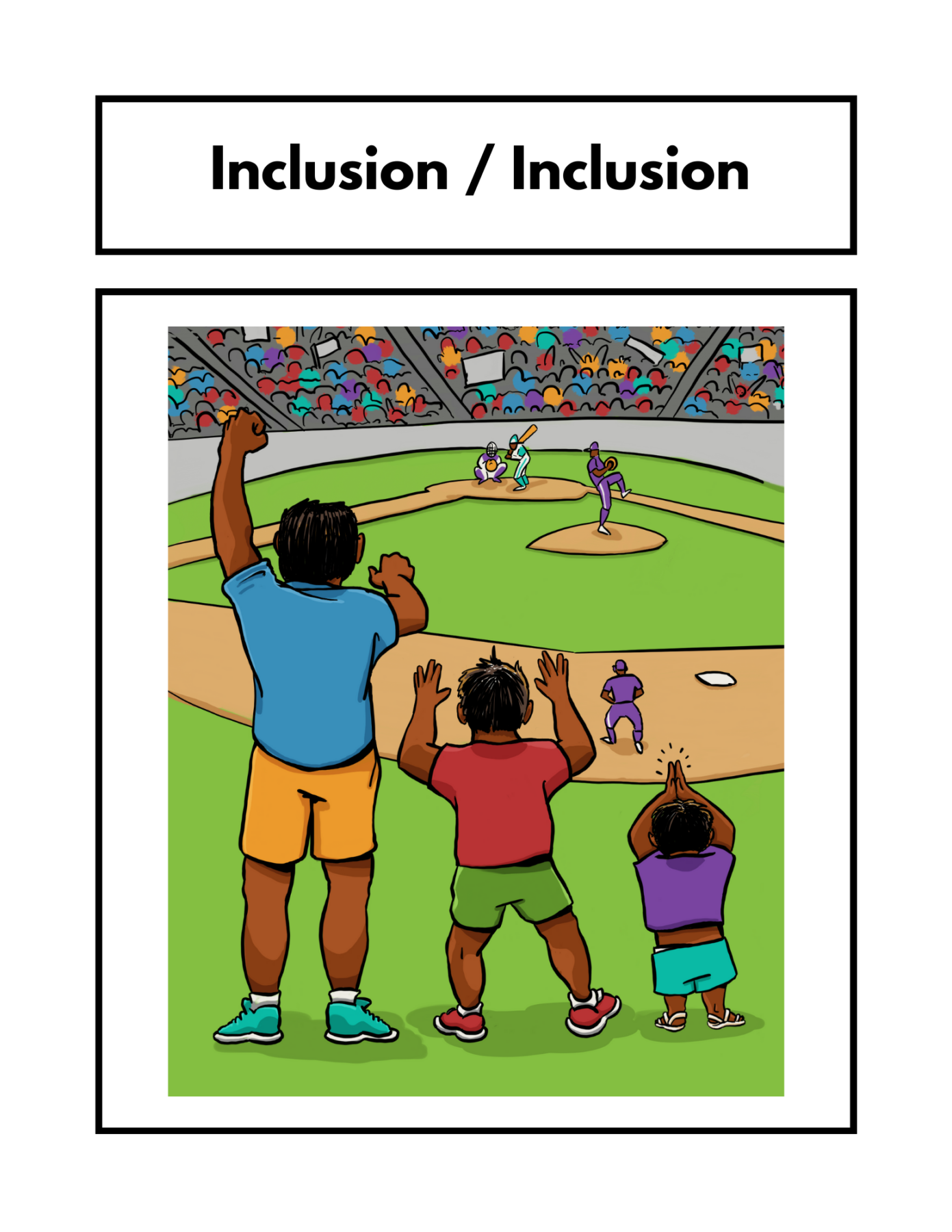
An inclusive environment is designed from the outset to account for diverse abilities and remove accessibility barriers.
Example in postsecondary education: Designing courses according to Universal Design for Learning (UDL) principles, with digital materials accessible to screen readers from the outset, captions on all videos, and longer breaks.
Important: Inclusion and universal accessibility cannot address every individual need or eliminate all physical and structural barriers. Implementation may be limited by infrastructure, available resources and persistent ableism.
Reasonable Accommodation: A Tool for Equity
At AQEIPS, we prioritize equity and inclusion rather than treating everyone identically, as doing so overlooks people’s different circumstances and needs. Identical treatment can sometimes result in indirect discrimination against students with disabilities (see educational tool above).
Since 1991, AQEIPS has worked to promote measures that genuinely meet students’ needs while encouraging lasting change in postsecondary institutions. This work is ongoing: reasonable accommodations address individual situations, while Universal Accessibility aims to remove barriers at their source. These complementary approaches require sustained commitment to accessible learning environments.
How Can I Access Accommodations at My Institution?
Accommodations are arranged on an individual basis through disability support services (SAIDE or equivalent services). Often documented in an individualized plan, these measures aim to reduce barriers to learning and assessment.
Resource: The Government of Québec has published a non-exhaustive list of possible accommodations at the college level, which may also be relevant to university students.
| Information checkpoint : Reasonable Accommodation |
| Under section 10 of Québec’s Charter of human rights and freedoms, reasonable accommodation is a legal obligation incumbent in particular on employers and educational institutions; an accommodation measure may involve adjustments to rules (for example, allowing additional time to complete an exam), human assistance (allowing support from an educational support worker), or technological assistance (authorizing the use of reading or proofreading software). It is granted to a student to eliminate a situation of discrimination related to their disability, without causing undue hardship for the institution or lowering academic requirements. |
How Do I Contact Disability Support Services?
It is strongly recommended that you begin the process as early as possible, ideally when you receive your admission letter or during the spring before classes begin. This allows time to arrange the necessary accommodations before the start of the academic year.
The process generally involves the following steps:
- Make an appointment with your college or university’s disability support services office (SAIDE or equivalent services).
On most institutional websites, the disability support services office can be found under headings such as “Academic Support,” “Student Services” or “Diversity and Inclusion.” You can usually contact the office through an online form, by email, or by phone.
- Provide supporting documentation, such as a diagnosis or assessment by a qualified professional (physician, psychologist, neuropsychologist, speech-language pathologist, audiologist, etc.), or an individualized education plan from secondary school, when relevant and accepted by the institution.
💡 Eligibility requirements vary by institution, but a diagnosis is not always needed to access certain services. Examples include tutoring, support from language and mathematics help centres, and accessible library services.
- Attend an intake meeting to discuss your needs, strengths and the barriers you face, then identify appropriate accommodations and agree on an individualized plan, according to the institution’s practices.
If you are moving to a different level of study or field, reviewing your program, course descriptions and schedules beforehand can help you prepare for the meeting and anticipate potential academic barriers.
- Provide the accommodation letter to the relevant instructors so they can put the agreed measures in place. The letter documents the accommodation arrangements between the student and the institution. It identifies the necessary accommodations without unnecessarily disclosing confidential information, including the student’s diagnosis.
What Are Disability Support Advisors?
Disability support advisors are key contacts for students with disabilities at colleges and universities. They assess students’ needs, work with them to develop individualized support plans, recommend reasonable accommodations and coordinate with instructors while protecting personal information. These professionals have a range of university qualifications and experience in student support, sometimes including expertise specific to students’ programs, so they can provide support tailored to each student’s academic path.
If you have questions or concerns after meeting with your institution’s disability support services office, please contact AQEIPS.
As an association dedicated to advocating for students’ rights and promoting equity and inclusion, AQEIPS can explain your rights, help you understand available options and refer you to appropriate resources. Contact us using our online form: https://aqeips.org/en/contact-us/
Sources
- Vitrine Linguistique de l’OQLF – https://vitrinelinguistique.oqlf.gouv.qc.ca/fiche-gdt/fiche/26548045/egalite
- Université du Québec à Montréal (UQAM) – https://edi.uqam.ca/lexique/equite-diversite-inclusion/
- Éducaloi –https://www.educationjuridique.ca/site/assets/files/14684/trousse_eleve_accommodements.pdf
- Gouvernement du Québec – https://www.quebec.ca/en/education/preschool-elementary-and-secondary-schools/guidance-support-students/students-disabilities-transitioning-secondary-school-college/getting-started-college-students-disabilities
- Ligue des Droits et libertés – https://liguedesdroits.ca/comprehension-historique-du-handicap-et-participation-sociale-des-personnes-ayant-des-capacites-differentes/
- Images : A collaboration between Center for Story-based Strategy & Interaction Institute for Social Change. https://www.storybasedstrategy.org/the4thbox
- Éducaloi –https://www.educationjuridique.ca/site/assets/files/14684/trousse_eleve_accommodements.pdf
- CDPDJ – https://www.cdpdj.qc.ca/fr/vos-droits/qu-est-ce-que/laccommodement-raisonnable
- AQICESH – https://www.aqicesh.ca/
- And https://www.quebec.ca/en/education/support-follow-up-students/students-disabilities-transitioning-college-university/university-admission-students-disabilities